Friday Feature: Sweeteners

As I’m sure you know, all sweeteners are not created equal. Some are natural; some are artificial; some are harmful; some are healthier. Today I give you a primer of some of the most popular good, bad and ugly sweeteners for you to make the right choice for your health.

Refined sugars

Sucrose (white sugar, brown sugar, turbinado or raw sugar). These sugars have gone through a purification process to remove “certain coarseness or impurities.” The result is something sweet with very little or no nutrients. White sugar has been refined the most, being bleached and whitened through a liquid process to give it its color. Brown sugar is white sugar with molasses and/or caramel coloring added to it. When we eat white sugar, we consume the bleaching agents and other chemicals that have been used to whiten it.

Dextrose—This is sugar that comes from corn and is found in fruits. When dextrose is treated with enzymes, some of it turns to fructose (corn syrup or high fructose corn syrup). There is no nutritional value with dextrose.

Refined sugars are empty calories; we get no nutrients but more weight and contribute to tooth decay. They decrease the efficiency of white blood cells, which help fight off disease, keeping our immune system strong.

Artificial sweeteners

Aspartame— Equal and NutraSweet are aspartame, which is a chemical that has been linked to dizziness, hallucinations, headaches (which I get if I have this substance) and a host of other health problems. One health care provider calls it “Sweet poison.”

Saccharin—Sweet-n-Low is saccharin, which is a chemical that studies showed caused bladder cancer in male rats. The government issued a warning label for saccharin in the 1970s. That label was removed in the 1990s.

Sucralose—This is Splenda, which has been given mixed health reviews. I avoid this and all artificial sweeteners altogether.

Natural Sweetener Alternatives

Sugar alcohols—Sorbitol, lactitol and mannitol are the names of sugar alcohols. The latter two have less calories than sugar. Though natural, they have been known to cause bloating and diarrhea in some people.

Stevia—This is a sweetener derived from the Stevia rebaudiana plant. You can get this no calorie herbal sweetener in powder and liquid forms. Stevia has a low glycemic index, which means it doesn’t cause a rapid rise in your blood sugar level. This is a good sweetener for diabetics.

Agave nectar—Like stevia, agave nectar, derived from the agave plant, has a low glycemic index. This is my go to choice for teas, cooking and baking and it’s delicious.

What sweeteners do you use? If you have used natural alternatives to sugar, what have been your results?

Copyright 2011 by Rhonda J. Smith

Ugly Women?

What Do You Think? Wednesday

It is so important to know who we are in Christ:

  • A royal priesthood (1 Peter 2:9)
  • A selected and treasured people (Titus 2:14)
  • An anointed people (2 Corinthians 1:21)
  • Fearfully and wonderfully made (Psalm 139:14)
  • An heir with Christ (Titus 3:7)
  • Made for good works (Ephesians 2:10)
  • Able to walk in wisdom, display the fruit of the Spirit, righteousness, and everything that is good (Colossians 4:5; Galatians 5:22-23; Romans 8:4; Philippians 4:13).
  • If we don’t know, we would be apt to snap back at this. This “scientific” article in a scientific magazine by a practicing scientist could make a recovering strong black woman stray from her path and put a brotha in his place. But I digress, suggest you read this (if you can get through it) and let me know what you think.

    Copyright 2011 by Rhonda J. Smith

    Warrior Wounds

    When we hurt, from the hands of others who selfishly or thoughtlessly harm us, we can be doubled over in pain. Wounds so deep they have us bent and twisted, walking wayward toward unweeded paths that choke our very lives. We may seem erect, head held high, but our souls suffocate, unoxygenated, weak, running on emotional empty. We have been complicit with our culprits. They hurled the hurt and we caught and carried it, nursing our wounds with pride, pointing fingers at our offenders and saying how much better we are than they. We clean our cuts with cursing the air and them, choosing not to say anything but instead waiting for them to come talk to us.

    We can bandage our bruises with bitterness and wrap our hearts with hopelessness, and our self-concocted antiseptics are really creating septic souls, too diseased for anything healthy to grow. But we have a choice to negatively nurse or nutritionally nurse our wounds. We can choose to start with prayer.

    Nothing brings such leanness into a man’s soul as a lack of prayer.—Charles Spurgeon

    Prayer is not designed to inform God, but to give man a sight of his misery; to humble his heart, to excite his desire, to inflame his, faith, to animate his hope, to raise his soul from earth to heaven.—Adam Clarke

    Trouble and perplexity drive me to prayer and prayer drives away perplexity and trouble.—Philipp Melanchthon

    And prayer begins with praise. Here, in the praise, is where God meets us (Isaiah 61:3). On Wednesday and Thursday, when I sought him to help my hurting and angry soul, the praise produced this: “You are in the presence of greatness,” as I saw my offenders’ faces in my head; and “You value people,” the word a daughter of mine told me when expressing her amazement at my ability to spend time with others and not neglect my family. I told her this was God’s grace and God reminded me that I can deal with my offenders by His grace.

    His grace enables me to see greatness and not the grief they caused me. They are fearfully and wonderfully made, complex creatures made in His image but subject to human frailties. And when they fail me and I want to tell them how they failed me I must remember that I “value people,” and treat them with the respect worthy of a person of greatness. When I devalue them, I devalue God and have suffocated my soul. God’s grace nutritionally nurses our wounds and helps us speak the nourishing truth.

    I praise God for a healed soul, for helping me think of my offenders with love, not anguish and languishing, and for helping creating in me warrior wounds, spiritually fought battle scars that remind me to seek God and apply only what He says. Jesus is the balm we need.

    Copyright 2011 by Rhonda J. Smith

    My One Thousand Gifts List

    #51-60
    The Bloom Book Club
    My many journals
    Justus staying the night in the crib
    A good night’s rest
    Time wht Flynn away from the house and children
    Bobbi for babysitting
    Winston for shoveling the snow
    Fellowshipping with Darryl and Marcy
    Accepting I have to develop a new friendship
    Family devotion

    Friday Feature: Good and Bad Oils

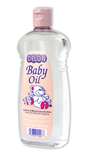
    I was glistening, a shiny sheen rescued from ash and scaliness and shelling out more money than I cared to. I had baby oil and decided to use that until I could get the money to replenish my favorite body butter. But when I noticed that baby oil is mineral oil and mineral oil is petroleum (or petrolatum) which comes from crude oil (as in the BP oil spill oil) I decided I didn’t want to put car fuel on my skin. This is not just car fuel, which sounds bad enough, but a substance that doesn’t allow the skin to breathe and traps toxins in the body. What, then, would I do without making myself broke?

    The Good

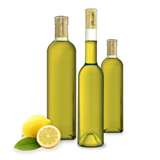
    Extra Virgin Olive Oil—As you know, I use this in my cooking all the time. I love EVOO (as Rachael Ray likes to say). When in a pinch, I use this on my hair and skin. For it to be emollient, I have to make sure to spritz my hair and dampen my skin. EVOO is known for its health properties, including increasing good cholesterol and lowering bad cholesterol. This oil contains the fat that your body needs.

    Shea Butter—Made from the nuts of the African shea tree, this cream had been one of my standards for about 20 years. I stopped using it when I couldn’t find a reputable vendor but searched it out again about two years ago when I threw away every product that contained mineral oil. Shea butter has worked wonders on my children’s eczema outbreaks. I use this daily to moisturize my entire body, including my lips, which don’t get dry if I fail to put on lipstick. It is also known to relieve sinus congestion and skin inflammation.

    Don’t be fooled. Many products will tout that they contain shea butter, but when you look at ALL the ingredients you may find they also have mineral oil and/or petroleum. Look for 100 percent pure shea butter that you can buy from independent vendors, especially getting good deals online. The product I buy from my health food store costs $8 but from the manufacturer’s website I can get it for half the price. With shipping, I still pay less than what I do in the store.

    Grape seed, cherry kernel, hazel nut oil—I found a botanical face moisturizer that I absolutely loved that contained these three ingredients. Each of these oils has medicinal properties, though some greater than others. What a great benefit I didn’t know about when I bought the moisturizer from this organic products company. Perhaps the healing properties caused my skin to feel elastic and to glow without feeling greasy. You know I was disappointed to find that the company went out of business. I plan to try to recreate my own and I’ll let you know how it works.

    Extra Virgin Coconut Oil—I know of a few people who swear by extra virgin coconut oil. They eat it, using it in smoothies, and moisturize their skin and hair with it. My research shows that extra virgin coconut oil can withstand high heat (not going rancid) better than extra virgin olive oil. Extra virgin coconut oil is high in saturated fat though this doesn’t seem to negate its health benefits. It has healing properties, which includes being anti-bacterial and anti-inflammatory. Even with all the good reports about this oil, I have yet to try it. If it’s better than my beloved EVOO then I’m sure I’ll love it.

    Other notes:

  • Use the above products or other essential oils directly or products that contain them (without mineral oil and petroleum).
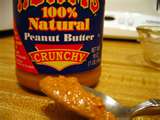
  • Stay away from hydrogenated oils. Unsaturated oils go through hydrogenation, a chemical process that alters the oil from its natural state to preserve foods (like many brands of peanut butter and snack foods) and cosmetic products—and then become saturated fats (AKA trans-fats or trans fatty acids).
    Saturated fats have been associated with high cholesterol, heart disease and cancer. You may not be eating hydrogenated oils, but your skin can still absorb them from the products you use, including lotions and deodorants. So even though the product may advertise that it contains olive oil, if olive oil has hydrogenated or partially hydrogenated before it, don’t use it.
  • Extra virgin means that the oil was extracted by physical, not chemical, means and is in its most pure state.
  • What products do you use that don’t contain mineral or petroleum? What products do you plan to replace?

    Copyright 2011 by Rhonda J. Smith

    Wisdom of Forgiveness Beyond the Grave

    What Do You Think? Wednesday

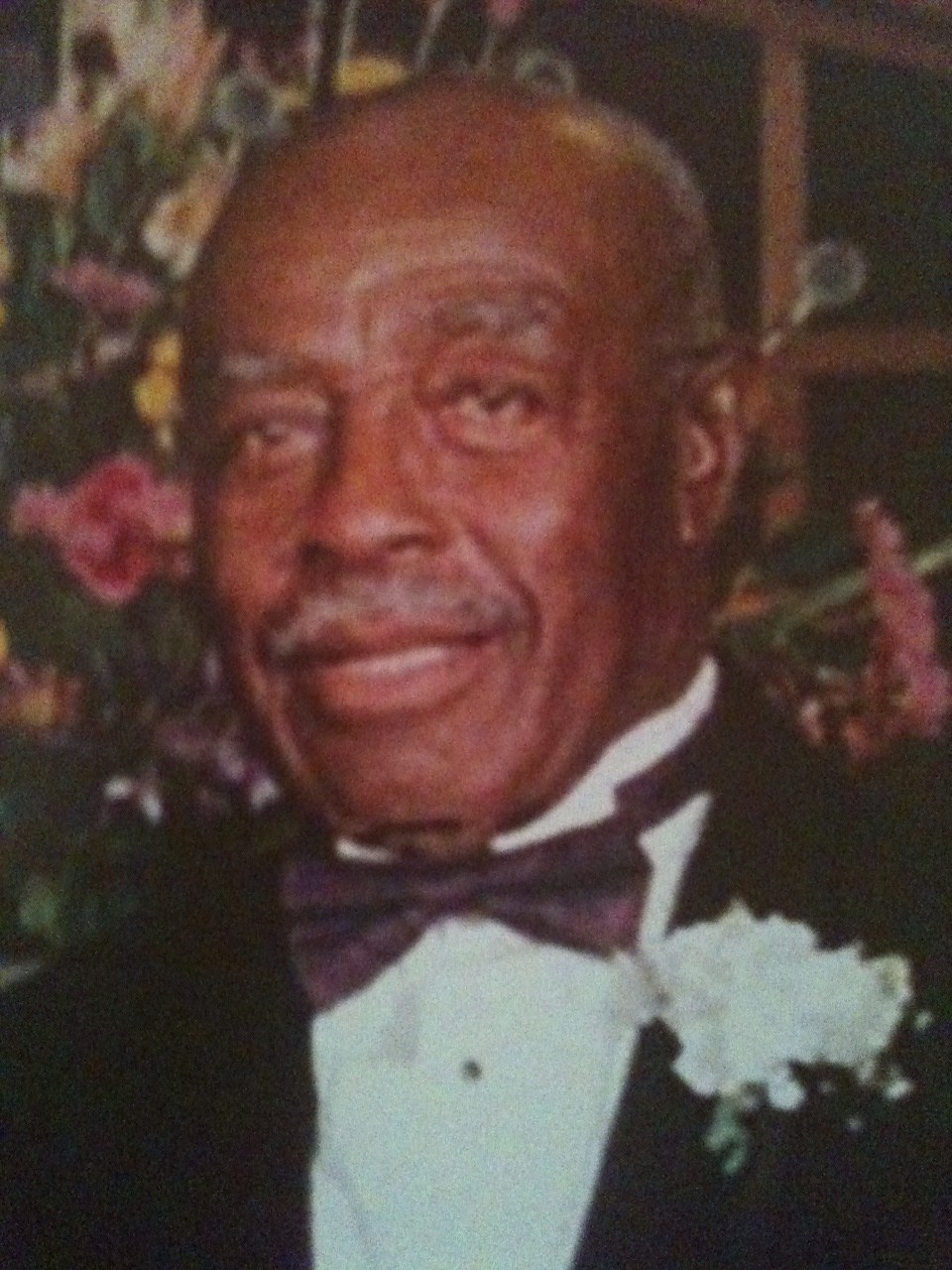
    Yesterday my family buried a prince of a man: Daniel Thomas, my grandfather who lived more than nine decades and had the wisdom to prove it. With his wit and few cents, he snagged and married my grandma, moved from LA (as he liked to call lower Alabama) to Michigan, made a living as a truck driver, sent two kids to school, and pulled enough resources to help dozens of others. He knew no no’s, gathered a bunch of yeses from well placed questions, other observations and a dazzling smile. He knew how to ingratiate himself to people and never let illiteracy or Jim Crow laws and attitudes stop him.

    He knew what to do.
    He knew what to say.
    He knew how to get over.
    He knew the power of grace.

    But love your enemies, and do good, and lend, expecting nothing in return, and your reward will be great, and you will be sons of the Most High, for he is kind to the ungrateful and the evil.—Luke 6:35.

    He loved those who despised his skin color and the fact that he couldn’t read; he spent time and money to make so many comfortable and only expected that we would do for others, too. He was favored of God and man, for certain the son of the Most High, who is kind to ALL, even the ungrateful and evil ones. And if to the ungrateful and evil ones, even to our loved ones who don’t express to us love.

    Granddad’s spirit still hangs over my cloud of unforgiveness toward those I expected to express their concern for me during my family’s bereavement. That spirit wants to clear the dark cloud that wants to rain revenge, to tell them “Forget you,” and never show an act of kindness again.

    “… [D]o good, and lend, expecting nothing in return. . .”

    This I must learn.
    This I must do.
    This is how to get over.
    This displays the power of grace, a great testimony for a strong black woman in recovery.

    How have you struggled with displaying grace to those who have wronged you? What lessons have you learned in the process?

    Copyright 2011 by Rhonda J. Smith