

Friday Feature: Good and Bad Oils

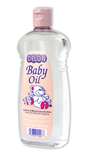
I was glistening, a shiny sheen rescued from ash and scaliness and shelling out more money than I cared to. I had baby oil and decided to use that until I could get the money to replenish my favorite body butter. But when I noticed that baby oil is mineral oil and mineral oil is petroleum (or petrolatum) which comes from crude oil (as in the BP oil spill oil) I decided I didn’t want to put car fuel on my skin. This is not just car fuel, which sounds bad enough, but a substance that doesn’t allow the skin to breathe and traps toxins in the body. What, then, would I do without making myself broke?

The Good

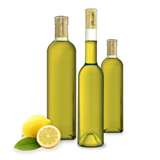
Extra Virgin Olive Oil—As you know, I use this in my cooking all the time. I love EVOO (as Rachael Ray likes to say). When in a pinch, I use this on my hair and skin. For it to be emollient, I have to make sure to spritz my hair and dampen my skin. EVOO is known for its health properties, including increasing good cholesterol and lowering bad cholesterol. This oil contains the fat that your body needs.

Shea Butter—Made from the nuts of the African shea tree, this cream had been one of my standards for about 20 years. I stopped using it when I couldn’t find a reputable vendor but searched it out again about two years ago when I threw away every product that contained mineral oil. Shea butter has worked wonders on my children’s eczema outbreaks. I use this daily to moisturize my entire body, including my lips, which don’t get dry if I fail to put on lipstick. It is also known to relieve sinus congestion and skin inflammation.

Don’t be fooled. Many products will tout that they contain shea butter, but when you look at ALL the ingredients you may find they also have mineral oil and/or petroleum. Look for 100 percent pure shea butter that you can buy from independent vendors, especially getting good deals online. The product I buy from my health food store costs $8 but from the manufacturer’s website I can get it for half the price. With shipping, I still pay less than what I do in the store.

Grape seed, cherry kernel, hazel nut oil—I found a botanical face moisturizer that I absolutely loved that contained these three ingredients. Each of these oils has medicinal properties, though some greater than others. What a great benefit I didn’t know about when I bought the moisturizer from this organic products company. Perhaps the healing properties caused my skin to feel elastic and to glow without feeling greasy. You know I was disappointed to find that the company went out of business. I plan to try to recreate my own and I’ll let you know how it works.

Extra Virgin Coconut Oil—I know of a few people who swear by extra virgin coconut oil. They eat it, using it in smoothies, and moisturize their skin and hair with it. My research shows that extra virgin coconut oil can withstand high heat (not going rancid) better than extra virgin olive oil. Extra virgin coconut oil is high in saturated fat though this doesn’t seem to negate its health benefits. It has healing properties, which includes being anti-bacterial and anti-inflammatory. Even with all the good reports about this oil, I have yet to try it. If it’s better than my beloved EVOO then I’m sure I’ll love it.

Other notes:

  • Use the above products or other essential oils directly or products that contain them (without mineral oil and petroleum).
  • Stay away from hydrogenated oils. Unsaturated oils go through hydrogenation, a chemical process that alters the oil from its natural state to preserve foods (like many brands of peanut butter and snack foods) and cosmetic products—and then become saturated fats (AKA trans-fats or trans fatty acids).
    Saturated fats have been associated with high cholesterol, heart disease and cancer. You may not be eating hydrogenated oils, but your skin can still absorb them from the products you use, including lotions and deodorants. So even though the product may advertise that it contains olive oil, if olive oil has hydrogenated or partially hydrogenated before it, don’t use it.
  • Extra virgin means that the oil was extracted by physical, not chemical, means and is in its most pure state.
  • What products do you use that don’t contain mineral or petroleum? What products do you plan to replace?

    Copyright 2011 by Rhonda J. Smith
    Friday Feature: Cooking on The Brand New Mommy

    Today you get your weekly health tip early. Check out my video demonstration from The Brand New Mommy on how to cook healthy collard greens. Even though you can watch the video here, there’s more blogger Karen Taylor Bass has written about me and you also just need to check out her blog. It’s such a cool concept with a cool look and feel and great information.

    Don’t forget to tune in to the Equipped for Life radio broadcast today at 3 p.m. where I will be discussing my book Daily Guideposts: Your First Year of Motherhood, and the host, Pastor Christopher W. Brooks, will be giving away copies. Listen at www.faithtalk1500.com or 1500 AM in Detroit for your chance to win.

    Friday Feature: The Benefits of Juicing

    Because of problems with my website, this post didn’t come through on Friday. Here it is for your good health:

    When I was little, school didn’t always come easy to me like with my sister. Sharon could see something and immediately get it. Some concepts just didn’t make sense to me, like long division. I had to work hard to master those difficult areas, but once I got it I got it. I think that’s what has finally happened to me with juicing.

    Juicing has been beneficial to me in so many ways. About four years ago I planned to make juicing a daily part of my diet. Examining my progress, I probably have juiced for a total of about a half a year over the last four years. Yup, pretty pitiful when I know that I always look and feel better when I juice. But this week, I have juiced a total of six out of seven days, something I have not ever done, and I feel great. I think this is my master week and I hope I am committed for life.

    To help you get committed for life (a lifetime) and life (prosperous health), let me share with you a few benefits of juicing:

    Get in your daily requirement of fruits and vegetables. With the change in government recommendations, we should be eating about 2 ½ cups of vegetables and 1 ½ cups of vegetables for a total of at least a total of five. Most of us don’t have the time or desire to eat that amount. When I juice I get in at least eight fruits and veggies a drink.

    Get nutrients quickly into your body. It doesn’t take long for your body to digest juice so the nutrients get in your bloodstream faster.

    Have more energy. When you get juice in your system quickly you get energy faster and you have it longer because your body is not working overtime to digest heavy foods. This is energy you can use to get your work done.

    Consume less calories without receiving less nutrients. When you juice you are not consuming the bulk you would when eating fruits and vegetables. Also, juicing fills you up so you won’t have room to eat as much solid food. You also get the nutrients that are killed with cooked food.

    Detoxify while getting nutrients. Sometimes people like to do water only fasts. This definitely helps to detoxify your system, but a juice fast is gentler on your system, detoxifying a little slower while still feeding your cells God’s goodness.

    Have an internal and external skin tonic. Juicing cleanses your organs, operating as an internal tonic. When your inside is clean, your outside beams. So, essentially, the internal tonic provides an external tonic effect.

    Give your digestive system a rest. As stated earlier, when you juice your digestive system doesn’t have to work as hard. Juicing helps your parts recover from their normal hard work.

    Preserve your body’s enzymes. When you juice you get a number of enzymes to help your body digest foods. Without adding enzymes, your body will tap into its reserve, depleting your natural levels. Enzymes also seem to help slow the aging process (Gabriel Cousens, M.D. in Power Juices Super Drinks, by Steve Meyerowitz).

    As always, there is much more I could say, but I hope this inspires you to do further research so your body will be at its optimum so you can complete the optimum amount of work for the Kingdom of God.

    Copyright 2011 by Rhonda J. Smith

    Friday Feature: Crucify Yourself

    Many Christians are in the midst of crucifying their flesh, observing Lent by sacrificing their normal indulgences in honor of Jesus, the one crucified so we might live. But what happens after Lent? What happens after any season of fasting, of giving up anything that has kept us from thriving? Many of us go back to our normal routines and pick back up the normal consequences, like weight gain, a blotched complexion and other maladies from poor eating. But if you regularly incorporate cruciferous vegetables into your diet, you will see a huge difference in your digestion and complexion.

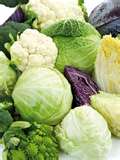
    Cruciferous literally means “cross-shaped” and refers to “a group of vegetables—including broccoli, Brussels sprouts, cabbage, cauliflower, turnips, and rutabagas—that have characteristic cross-shaped blossoms and that contain substances that may help to prevent colon cancer.”* Collard and mustard greens are also in this family. Dr. Don Colbert in Toxic Relief says these vegetables contain powerful phytonutrients (plant nutrients) that help the liver detoxify chemicals and drugs. They are best eaten raw or steamed. I know those of you who like to boil all the bright color out of your greens don’t want to hear about eating them raw or steamed so here are some things I do with my cruciferous vegetables instead of boiling them:

    Juice them
    You have to play with the combinations or you’ll think you are eating dirt (I had plenty of falls and ate mud pies when I was a child so I do know what dirt tastes like). Make sure you add an apple to help sweeten your combination.

    Soup them
    When you juice these vegetables add a clove or two of garlic with it then warm it up (but don’t boil it). You’ll have a nice tasty soup.

    Stir-Fry them
    Use a little Extra-virgin olive oil on low to medium heat (this oil can’t stand up to high temperatures) to first sauté some onions and maybe some bell peppers and then add any or a mixture of the vegetables with whatever seasoning you wish. I usually only add a little salt and pepper because the onions and oil give the vegetables a good flavor.

    Stir-Fry and Steam them
    For my greens and cabbage, I first sauté some fresh onions, garlic and a small de-seeded jalapeño pepper in some olive oil. Then I add the vegetables with my seasonings and cover the pot, which releases the water from the vegetables and steams them. You must use a non-stick sauce pan or your food will burn.

    Just like Jesus died so we might live, let’s eat the cruciferous vegetables He put on earth so we might live vibrant lives. When you know better so you got to do better.

    Copyright 2011 by Rhonda J. Smith

    *Prescription for Nutritional Healing, 3rd Edition, by Phyllis A. Balch, CNC and James F. Balch, M.D.

    A Safe Place

    What Do You Think? Wednesdays

    The other day my sister and I were talking about what makes non-church going folks say “I have to get myself together” and “I don’t have nothing to wear” before they can come to church. Sometimes they claim these are barriers because they want to keep on living the way they’re living, but sometimes they really do think self-help and a Sunday best wardrobe are what they need. Where did they get these notions? I believe folks in the church have created these barriers, ridiculous preconditions that have nothing to do with the soul-saving power of Jesus Christ and the transforming work that He can continually do in our lives. We don’t have the power to get ourselves together and we can never dress up our pain and confusion. But non-church going folks think so, and others, especially we strong black women, do, too.

    Our legacy of strength makes us believe we have to keep ourselves together, never falling apart, never exposing ourselves to the church, the body of Christ, our family, fitly joined together to meet everyone’s needs (Ephesians 4:16). This includes OUR needs. We don’t get help in the church because we don’t want to expose ourselves and, unfortunately, churches don’t want us exposing ourselves. They need us to keep it together to run the ministries we run and some leaders just don’t know how to minister to us. The façade is easier, but no one can play these roles forever. We eventually fall apart in a farther gone place because of too few safe spaces like this website that are so prevalent outside the church. I thank God for my church’s counseling ministry that even has designated times to just walk-in and see a counselor. We even have intimate classes for women taught by strong biblical women. Besides offering these ministries and other sermon-styled women’s ministry functions (that usually don’t allow for transparency and intimacy), what does your church do or what do you think the church needs to do to create safe places for hurting women who think they need to mask their pain? As always, I look forward to hearing from you.

    Copyright 2011 by Rhonda J. Smith